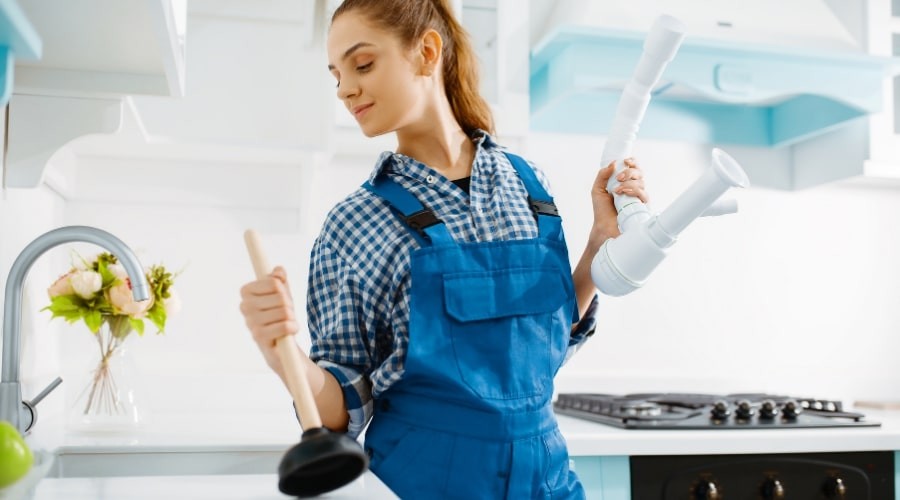
Women’s History in the Plumbing Industry
The history of business industries doesn’t typically make one think of women. In reality, a majority of women didn’t work until more recent decades, and plumbing is no exception.
Posted on March 9, 2021 by ivangonzaleznj
The history of business industries doesn’t typically make one think of women. In reality, a majority of women didn’t work until more recent decades, and plumbing is no exception.
“So happy to have stumbled across All Clear. The owner himself came and did a great job. We had them come back when we needed our new dishwasher installed. Couldn’t be happier with the professional service and fair pricing! Will definitely use on future projects. Highly recommend!”
“All Clear Plumbing did a great job for us. All Clear was thorough and diagnosed the problem which was missed by others and they got it fixed correctly… It was also great to hear from Ivan when he followed up to make sure that everything was good a week or two after the job. He knows how to take care of customers so I would recommend giving All Clear a call if you have any plumbing needs.”
“Best plumbers around. Honest and dependable. Beautiful work. Really puts my mind at ease to know they are only a phone call away. Thank you All Clear Belleville, N.J.”
“Awesome service!! Fred was great, got straight to the point of what was wrong and fixed it. Highly appreciated his work and amazing personality. Definitely recommend!!!”
“Very prompt service. On a freezing cold day they came within an hour! Professional and clean. The technicians provided instructions to help maintain the boiler. My house is warm and cozy again! Thank you Ivan and Sam!”

Throughout history, women's roles in various industries have evolved significantly, and plumbing is no exception. Initially, plumbing was a male-dominated field, but as societal norms changed, women began to carve out their place in this essential trade. This evolution reflects broader shifts in gender roles, highlighting how women have increasingly taken on skilled trades that were once considered exclusively male.
For instance, during World War II, many women entered the workforce to fill roles left vacant by men who went to fight. This shift opened the door for women to pursue careers in plumbing, where they not only contributed to the workforce but also brought unique perspectives and skills. Today, women are not only working as plumbers but also taking on leadership roles within plumbing companies, showcasing their impact on the industry.
Recognizing the contributions of notable women in plumbing history is essential to understanding the full narrative of the industry. Figures such as Mary E. McCarthy, who became a licensed plumber in the 1940s, broke barriers and paved the way for future generations of women. Her determination and skill helped to change perceptions about women's capabilities in trades traditionally dominated by men.
Additionally, organizations like the Plumbing-Heating-Cooling Contractors Association (PHCC) have highlighted the achievements of women in plumbing, providing a platform for sharing their stories. Celebrating these trailblazers not only honors their contributions but also inspires young women to consider careers in plumbing and related fields.
Despite the progress made, women in the plumbing industry continue to face various challenges. From gender bias to a lack of representation in training programs, these obstacles can hinder women's entry and advancement in the field. Many women report feeling isolated in a male-dominated environment, which can impact their confidence and career progression.
Addressing these challenges requires a concerted effort from industry leaders and organizations to create more inclusive environments. Initiatives such as mentorship programs and outreach efforts aimed at young girls can help change the narrative, encouraging more women to pursue plumbing as a viable career option and ensuring they have the support needed to succeed.
Education plays a crucial role in empowering women to enter and thrive in the plumbing industry. Various vocational schools and training programs are now offering specialized courses aimed at women, providing them with the skills and knowledge necessary to excel as plumbers. These educational initiatives are designed to build confidence and competence, ensuring women are well-prepared for the challenges of the trade.
Moreover, partnerships between plumbing companies and educational institutions can create pathways for women to gain hands-on experience while learning. Such collaborations not only enhance the skill set of women in plumbing but also help to reshape the industry's image, making it more welcoming and accessible to future generations of female plumbers.
