Essential Winter Plumbing Maintenance Checklist
To ensure your plumbing system operates efficiently during winter, it's crucial to follow a maintenance checklist. This includes inspecting pipes for leaks, insulating exposed plumbing, and ensuring that your water heater is in optimal condition. Regular maintenance can prevent costly repairs and ensure your home remains warm and functional throughout the colder months.
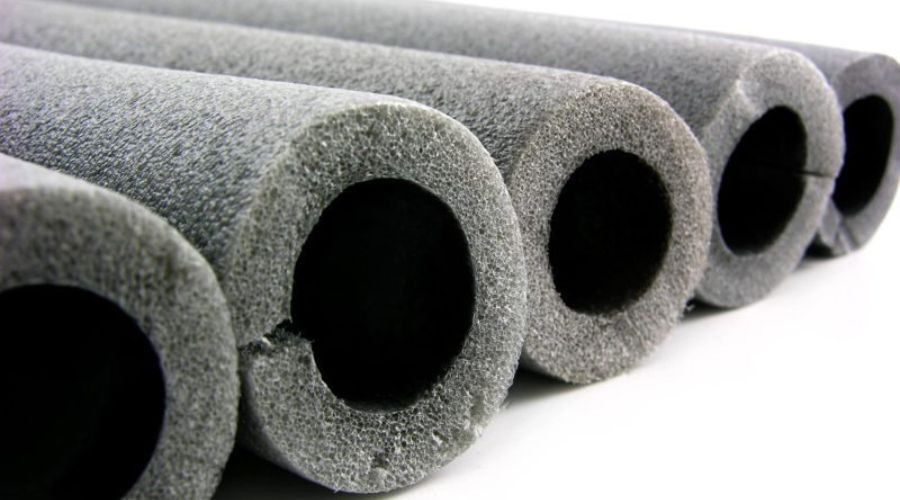
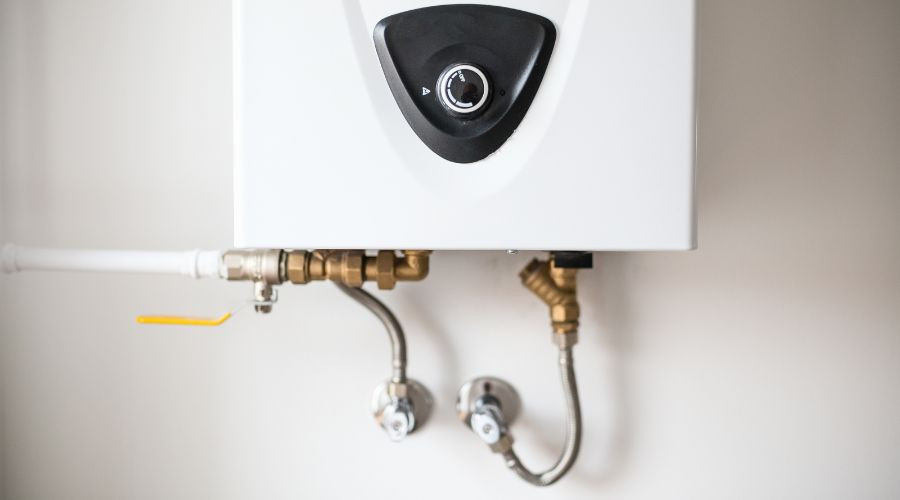
For example, homeowners should check for any signs of corrosion or wear on exposed pipes, especially in unheated areas like basements and attics. Additionally, insulating these pipes can help prevent freezing. A well-maintained water heater should also be flushed periodically to remove sediment buildup, which can affect its efficiency.
Understanding Your Heating Options for Winter
Choosing the right heating system is vital for comfort and efficiency during winter. Homeowners should consider various options, including furnaces, heat pumps, and boilers, each with distinct advantages and disadvantages. Understanding these systems can help you make an informed decision based on your home's specific needs.
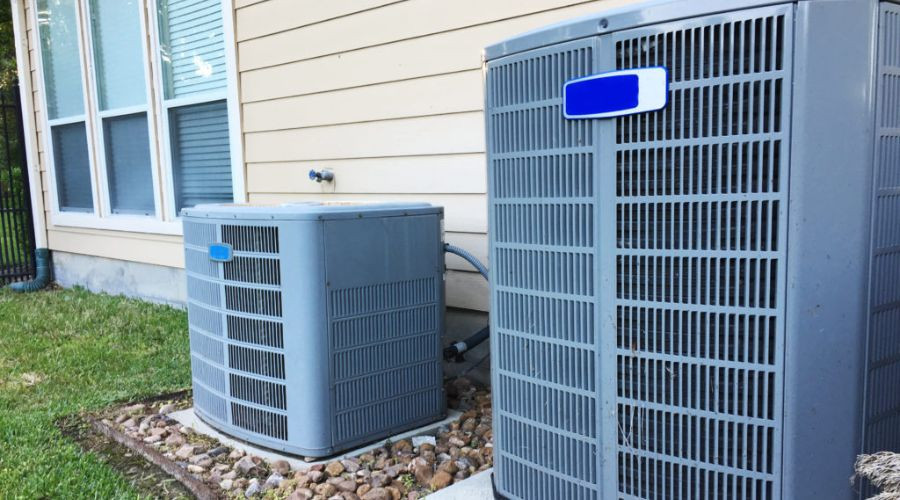
For instance, while furnaces are typically more affordable to install, heat pumps can offer significant energy savings over time due to their efficiency. Boilers, on the other hand, provide consistent heat and can be more effective in larger homes. Evaluating factors such as energy source, installation costs, and maintenance requirements will help you select the best heating solution for your home.
Signs Your Plumbing Needs Immediate Attention This Winter
During winter, certain signs can indicate that your plumbing requires immediate professional attention. Homeowners should be vigilant for issues such as slow drains, unusual noises from pipes, or fluctuating water pressure, which could signal underlying problems that need to be addressed before they escalate.
For example, gurgling sounds in your plumbing may indicate a blockage, while consistently low water pressure could suggest a leak. Ignoring these signs can lead to more severe issues, such as pipe bursts, which are common in freezing temperatures. Addressing these problems promptly can save homeowners time and money in the long run.
Energy-Efficient Heating Tips for Winter Savings
To reduce heating costs during winter, homeowners can implement several energy-efficient practices. Simple adjustments, such as setting your thermostat lower when you're away or using programmable thermostats, can lead to significant savings on energy bills without sacrificing comfort.
Additionally, sealing drafts around windows and doors can prevent heat loss and improve overall home insulation. Utilizing ceiling fans to circulate warm air can also enhance heating efficiency. These strategies not only help in cutting costs but also contribute to a more sustainable home environment during the colder months.