Essential Heating System Maintenance Tips for Homeowners
Regular maintenance of your heating system is crucial for ensuring its efficiency and longevity. Homeowners should schedule annual inspections and cleanings to prevent issues before they arise. Simple tasks like replacing air filters and checking for leaks can significantly enhance performance.
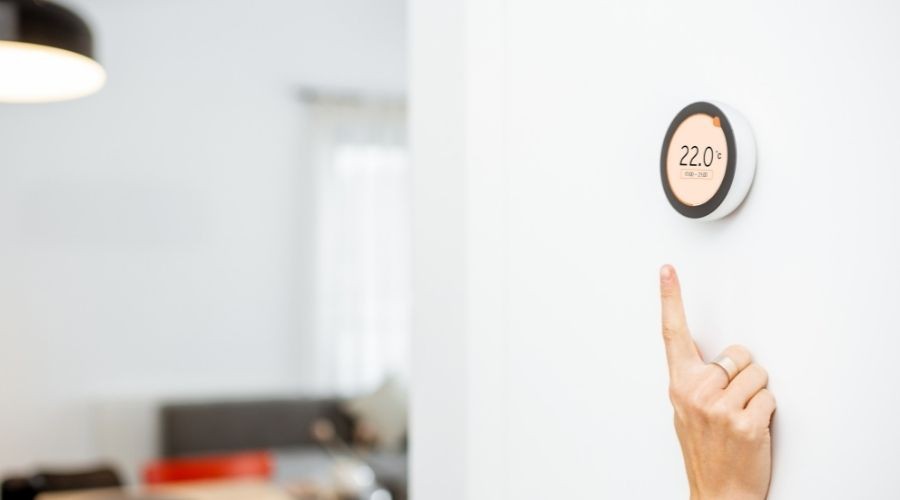
In addition to professional maintenance, homeowners can take proactive steps like bleeding radiators, checking thermostat settings, and ensuring vents are unobstructed. These actions not only improve heating efficiency but can also reduce energy costs during the colder months.
Understanding Different Types of Heating Systems
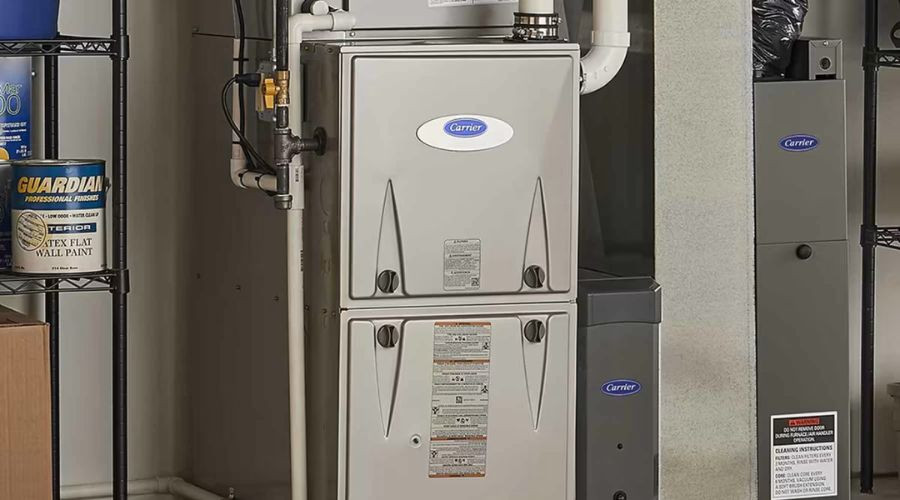
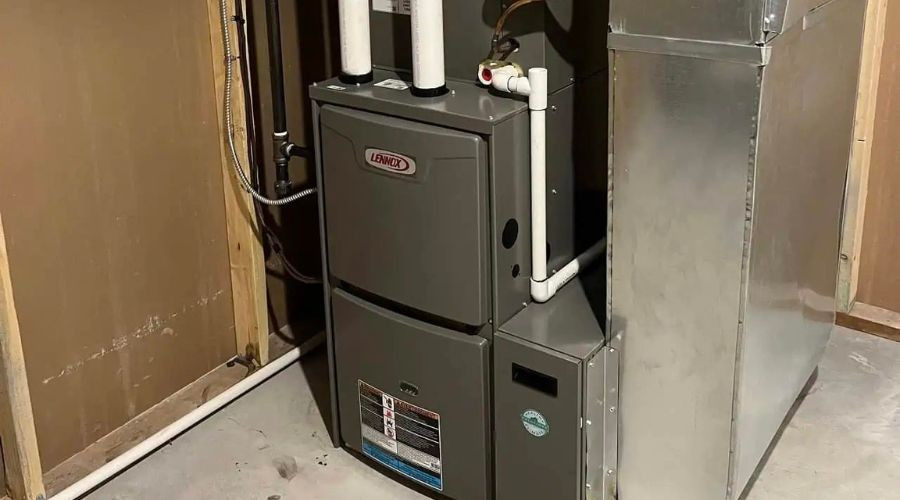
There are various types of heating systems available, including furnaces, heat pumps, and radiant heating. Each system has its own advantages and suitability depending on the home’s design and the climate. Understanding these differences can help homeowners make informed decisions when installing or upgrading their heating systems.
For instance, furnaces are typically more efficient in colder climates, while heat pumps can be a cost-effective choice in moderate temperatures. Radiant heating, which involves warming floors or walls, offers comfort and energy efficiency, making it a popular option for modern homes.
Signs Your Heating System Needs Immediate Attention
Recognizing the signs of a failing heating system can save homeowners from costly repairs and ensure comfort during winter. Common indicators include unusual noises, inconsistent heating, and increased energy bills. If any of these symptoms are present, it's essential to contact a professional for an evaluation.
Additionally, homeowners should be aware of more severe signs such as the presence of strange odors or pilot light issues. These could indicate serious problems that require immediate attention to prevent further damage or safety hazards.
Energy Efficiency and Heating: What Homeowners Should Know
Improving energy efficiency in heating systems is not only beneficial for the environment but also for homeowners' wallets. Energy-efficient systems can significantly reduce heating costs over time, making them a worthwhile investment. Homeowners should consider upgrading to ENERGY STAR-rated appliances to maximize efficiency.
Furthermore, simple adjustments like adding insulation, sealing ductwork, and utilizing programmable thermostats can enhance overall energy efficiency. By being proactive, homeowners can ensure their heating systems operate optimally while minimizing energy waste.