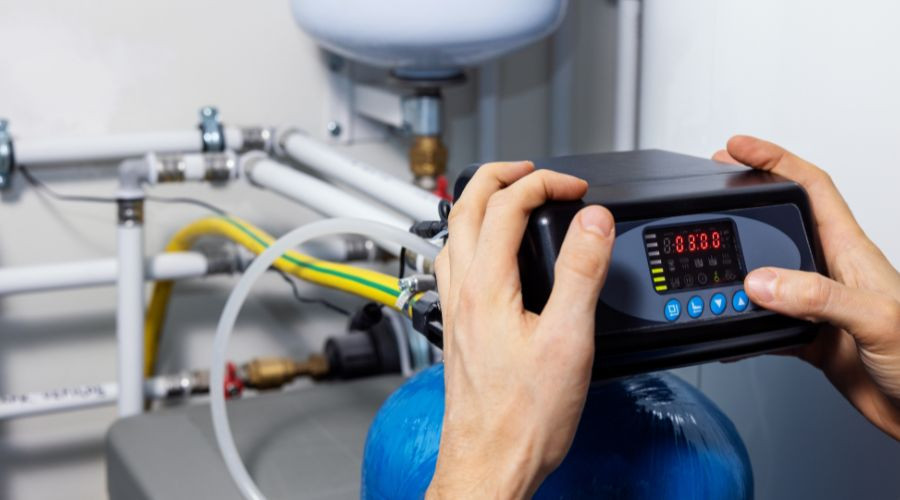
Understanding Water Filtration Systems
Water filtration systems are essential for ensuring the quality and safety of drinking water in homes. They work by removing contaminants and impurities, providing cleaner, healthier water for consumption and daily use.
There are various types of water filtration systems available, including activated carbon filters, reverse osmosis systems, and UV purifiers. Each type has its own advantages and is suited for different needs, making it crucial for homeowners to understand their options when selecting a system.
Signs You Need a Water Filtration System
Recognizing the signs that indicate the need for a water filtration system is vital for maintaining water quality. Common indicators include unusual tastes or odors in the water, visible sediment, or frequent plumbing issues.
For example, if you notice a metallic taste or a strong chlorine smell, it may suggest the presence of harmful chemicals or contaminants in your water supply. Addressing these issues promptly can prevent potential health risks and improve the overall quality of your water.
How to Choose the Right Water Filtration System
Choosing the right water filtration system involves evaluating your specific needs, including the type of contaminants present in your water and your household's water usage. A thorough water quality test can help identify which impurities need to be addressed.
Additionally, consider factors such as the system's capacity, maintenance requirements, and installation process. Researching various brands and models, along with reading user reviews, can also provide valuable insights into making an informed decision.
Benefits of Installing a Water Filtration System
Installing a water filtration system offers numerous benefits, including improved taste and odor of water, enhanced health by reducing exposure to contaminants, and potential savings on bottled water.
Moreover, a filtration system can extend the lifespan of plumbing fixtures and appliances by preventing scale buildup and corrosion caused by impurities in the water. This not only promotes better water quality but also contributes to the overall efficiency of your home's plumbing system.